Tests de banc de charge pour les générateurs : garantir la fiabilité sous pression
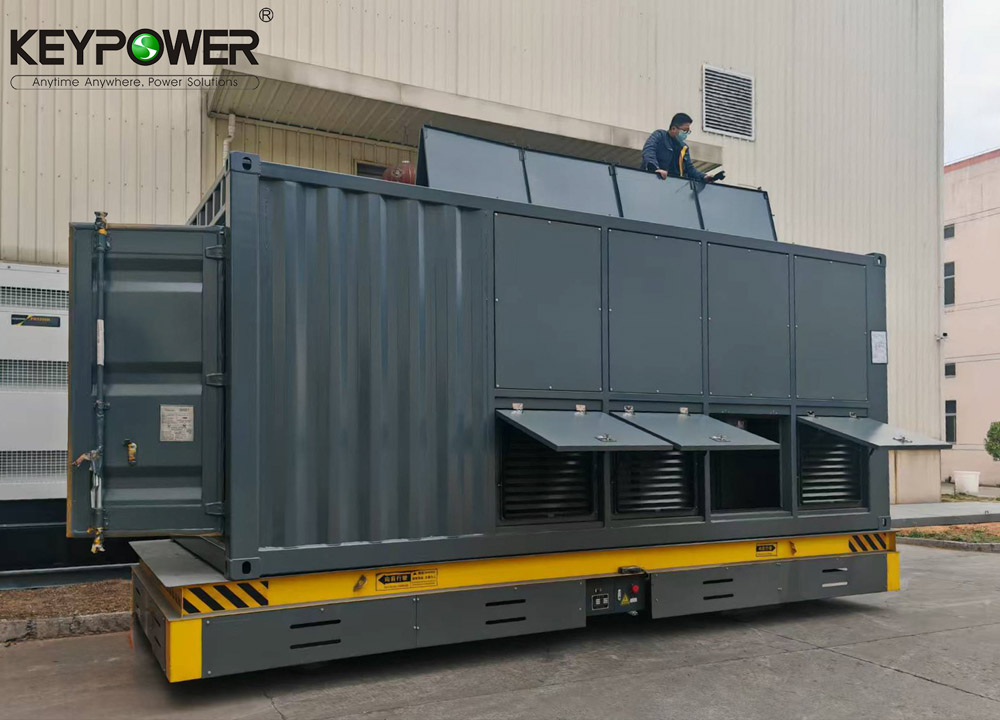
Les générateurs sont des systèmes de secours essentiels, mais comment savoir qu’ils fonctionneront en cas de besoin ? Les tests avec banc de charge apportent la réponse.
Pourquoi tester les générateurs avec des bancs de charge ?
1. Vérification de la capacité : Confirmer que le générateur peut fournir sa puissance nominale.
2. Analyse thermique et d’efficacité : Évaluer les performances sous contrainte thermique.
3. Test de réponse : Mesurer les temps de démarrage et la gestion des fluctuations de charge.
Processus de test étape par étape
1. Préparation : Connecter le banc de charge à la sortie du générateur, définir les protocoles de sécurité.
2. Augmentation de la charge : Augmenter progressivement la charge (25 % → 50 % → 75 % → 100 %).
3. Collecte des données : Surveiller la stabilité de la tension, la consommation de carburant, la température.
4. Test de surcharge : Appliquer brièvement une charge de 110 % pour évaluer la résistance en situation d’urgence.
5. Analyse du rapport : Identifier les faiblesses (par exemple, une chute de tension > 3 % est alarmante).
Problèmes courants détectés
Surchauffe du moteur sous charge.
Creux de tension dû à un mauvais réglage de l’AVR.
Consommation excessive de carburant indiquant une inefficacité.
Bonnes pratiques
Planifier les tests trimestriellement ou selon les normes du secteur.
Utiliser des bancs de charge certifiés avec une surveillance en temps réel.
Effectuer les tests dans des conditions ambiantes correspondant aux scénarios réels.
Exemple concret
Les hôpitaux s’appuient sur les tests avec banc de charge pour garantir que les générateurs peuvent alimenter les équipements vitaux pendant les pannes du réseau électrique, évitant ainsi les urgences médicales.
Conclusion
Les tests avec banc de charge constituent un investissement préventif : ils protègent les vies et les entreprises en garantissant que les générateurs fonctionnent parfaitement lorsque des crises surviennent.



 IPv6 réseau pris en charge
 français
 français
 English
 Deutsch
 русский
 español
 português
 Nederlands
 العربية
 Polski
 中文
中文